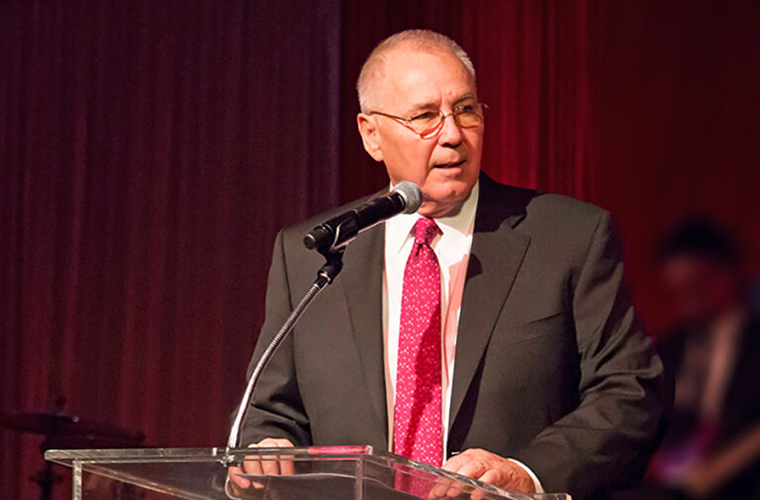

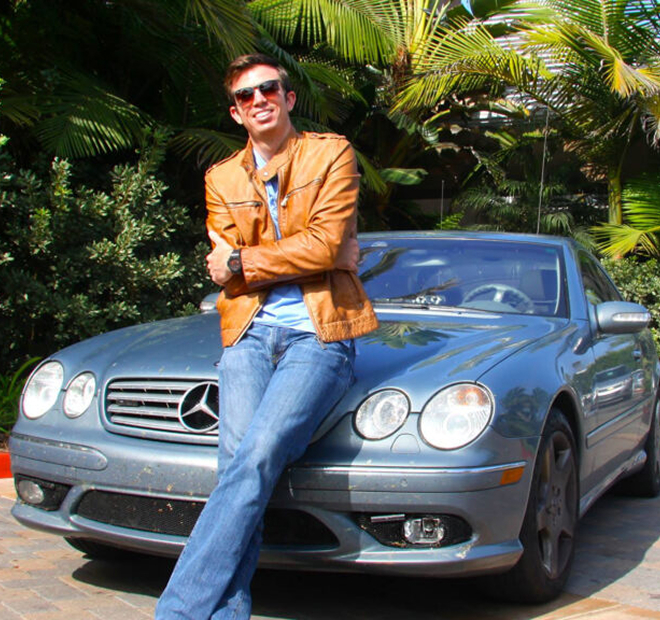
Terry Karges has served as Executive Director of the Petersen Automotive Museum for the past ten years, being instrumental in its transformation into the world’s best automotive museum. Mr Karges has extensive experience in the automotive, sports and entertainment industry. He has held key leadership roles at Roush Performance, Cord Automotive, Oakland Stompers/NASL Soccer Team, SeaWorld, San Diego Wild Animal Park and Disneyland to name just a few. Throughout his career, he has been sought after across industries for his impressive success record in building businesses, increasing sales, promoting brands, building strategic alliances and negotiating partnerships. His entrepreneurial talents were evidenced by the success of Karges Sport Marketing and the Karges Sport Formula Atlantic Racing Team. Mr Karges’ interests and activities are just as varied and expansive as his career. He is a principal at MotoAmerica, The North American Motorcycle Road Racing Championship Series, shares 10 grandchildren with his wife Annie, and has enjoyed racing both automobiles and motorcycles. He considers golf a work in progress.
Q: What’s your backstory, and how did your interest in cars begin?
A: I was born in Joliet, Illinois. My grandfather was an Oldsmobile man, and dad loved Buicks. They traded for new cars every two years. Growing up, we would attend the new car shows every year in Chicago, which was a really big deal for us. I helped my dad wash his cars; he was meticulous about keeping them clean. We also went to Midget races at a nearby track with my grandfather. Cars of all sorts have been a part of my life from an early age. We moved to California in 1955, and my dad took us to the Torrey Pines Road Race, which in those days consisted of snow fencing and hay bales. Our family station wagon pulled trackside in between a RollsRoyce and a Mercedes Gullwing. The owners had their fancy wicker baskets out on tables with gorgeous displays of food, it was all brand new. We walked through the pits with the smell of Castrol motor oil in the air, looking at the D Jags and other exotic cars, driven by racing legends like Phil Hill. In the very first race that day, on the first turn, a woman was killed. Here I was, a 10-year-old at a car race at exotic Torrey Pines, with beauty and excitement combined with tragedy, and it created all sorts of mixed emotions within me. At the end of the day, as we were leaving the track, I remember being in the back seat and saying, “Dad! Dad! We’ve gotta do this!” That experience really moved me and nothing has ever replaced that.
Q: So you witnessed the roots of the California car culture?
A: Growing up in southern California in the mid-50s, I had a front row seat. The cars were fast and fun, and the group I hung around with were all car guys. It was all about road racing or drag racing. There were drag strips everywhere, even out in the orange groves. There were road races at the airports in Santa Barbara and Palm Springs, and Riverside opened in ‘57. There were so many tracks and events that you could be at races with all kinds of cars and all types of drivers.
Q: You’ve had a long and varied career in the automotive business.
A: I started out in the theme park entertainment business, first working for Disneyland as a special events salesman, and then as director of marketing at SeaWorld, then Marine World, where I was Vice President of Sales and Marketing, but after 12 years in that business, I was burned out. I remember sitting on my porch one night and wondering what I should do. Then thought, okay, “If I died tomorrow, what would I have missed out on in my life?” It dawned on me that the only pictures I had on my office walls over the years were of racecars. I needed to be in racing. I became determined to be involved in racing at the highest level. I started introducing myself to racing teams and ended up working with them and had a great time doing it. I wasn’t making much money, but I was working with racing legends like Mario Andretti, Bobby Rahal and Dan Gurney. That led to a position as the track promoter for Budweiser, where I had the opportunity to work with future world champion Keke Rosberg, who was on the NewmanFreeman CanAm team. It was the experience of a lifetime. I also spent 12 years with Roush Performance, a division of Roush Engineering and Racing, helping that company build and promote its line of high-performance components parts. While I was there, we built and sold about 15,000 high performance Mustangs. When the opportunity to serve as the new Executive Director at the Petersen Museum came along in 2012, it was a great opportunity to use what I had learned in the theme park industry and the racing and automotive business. It was the perfect job for me.
Q: You’ve made some significant changes at the Museum during your tenure.
A: The last thing my predecessor told me as he handed me the keys was, “You’ll get a lot of requests to see “The Vault,” but it’s a waste of time.” On my second day, during a tour of The Vault, I was looking at 250 incredible cars of the Petersen collection and thought, “Oh, my God. People need to see these cars.” So as a test, we announced that we were opening The Vault for two weeks, for tours. I stood in admissions for two weeks during the Christmas holidays and watched as people flew in from all over the United States to see The Vault and knew that we were on to something. Today, tours of The Vault represent one of our most important revenue sources. It’s a special place, and people want to see behind the scenes. That was only the first of many changes we’ve made over the past 10 years to revitalize and maintain interest in the museum.
Q: How has the Museum acquired cars over the years?
A: Originally, the Natural History Museum had a number of historically significant cars, and opened us as a car museum that ran from 1994 to 2000. The very successful automotive journalism executive Robert E. Petersen eventually took the Museum private as a nonprofit, educational organization. Mr. Petersen grew the collection, buying a number of interesting cars, including movie cars, cars owned by stars and famous people, funky show cars, custom cars, and performance cars. He probably acquired close to 100 cars. Over the years, cars have also come to us through donations. Donors receive a tax benefit. This year, for example, we’ve already had a good number of cars donated to the Museum.
Q: What are some of the Museum’s other audience demographics?
A: When I started at the Museum, our audience demographic was primarily aged 35 – 65. That was our visitor profile. All you hear in the last many years is that “kids don’t care about cars. Kids don’t want their driver’s licenses.” But our number one customers right now are aged 18 – 45. In fact, because they have access
to so much information online, they walk in, see our cars, and can tell you all the details on every one of them. They’re loving it, and so are we.
Q: Does the Museum have a larger role, beyond showcasing unique vehicles?
A: Indeed, we’re involved in as many aspects of the automotive world as can be. For example, we established a world-class library and archive that never existed before. Collecting, preserving, and sharing historical information is just one important part of our responsibilities. We also consider automotive education a significant part of our mandate. The Museum has 150 employees, 44 of them work in our education department. For example, we have a Pre-K program called Little Sparks, where kids design and make their own cars. We’re also launching a free, accredited design program – that will reach as many as 55,000 kids – to teach them about automotive design. We have programs that teach kids how to work on cars, where they might take a Mustang, and customize it with suspension and wheels, put a supercharger on it, or perform custom styling. Through our Bruce Meyer scholarship fund and intern program, we’re also giving kids direct exposure to the broad range of career opportunities that exist in the automotive industry.